Call 612.568.7253

When these St. Paul homeowners set out to update their early 1900s house, they wanted more than a cosmetic remodel; they wanted a complete energy retrofit that would deliver modern comfort, lower utility bills, and a smaller carbon footprint. Paltrin transformed a drafty, leaky structure into a high-performance, all-electric-ready home without sacrificing its original windows and historic details. The result is a landmark 1900s energy retrofit that dramatically cuts air leakage (from 11.3 to 3.75 ACH50), improves year-round comfort, and proves that even a century-old house can embrace home electrification for a low-carbon future in Minnesota’s climate.
Results and StatsHOME: 1900’s-era Retrofit
UPDATES: Cold Climate Heat Pump and Home Electrification
Air Leakage: From 11.3 to 3.75 ACH50
HERS Score (without solar): —
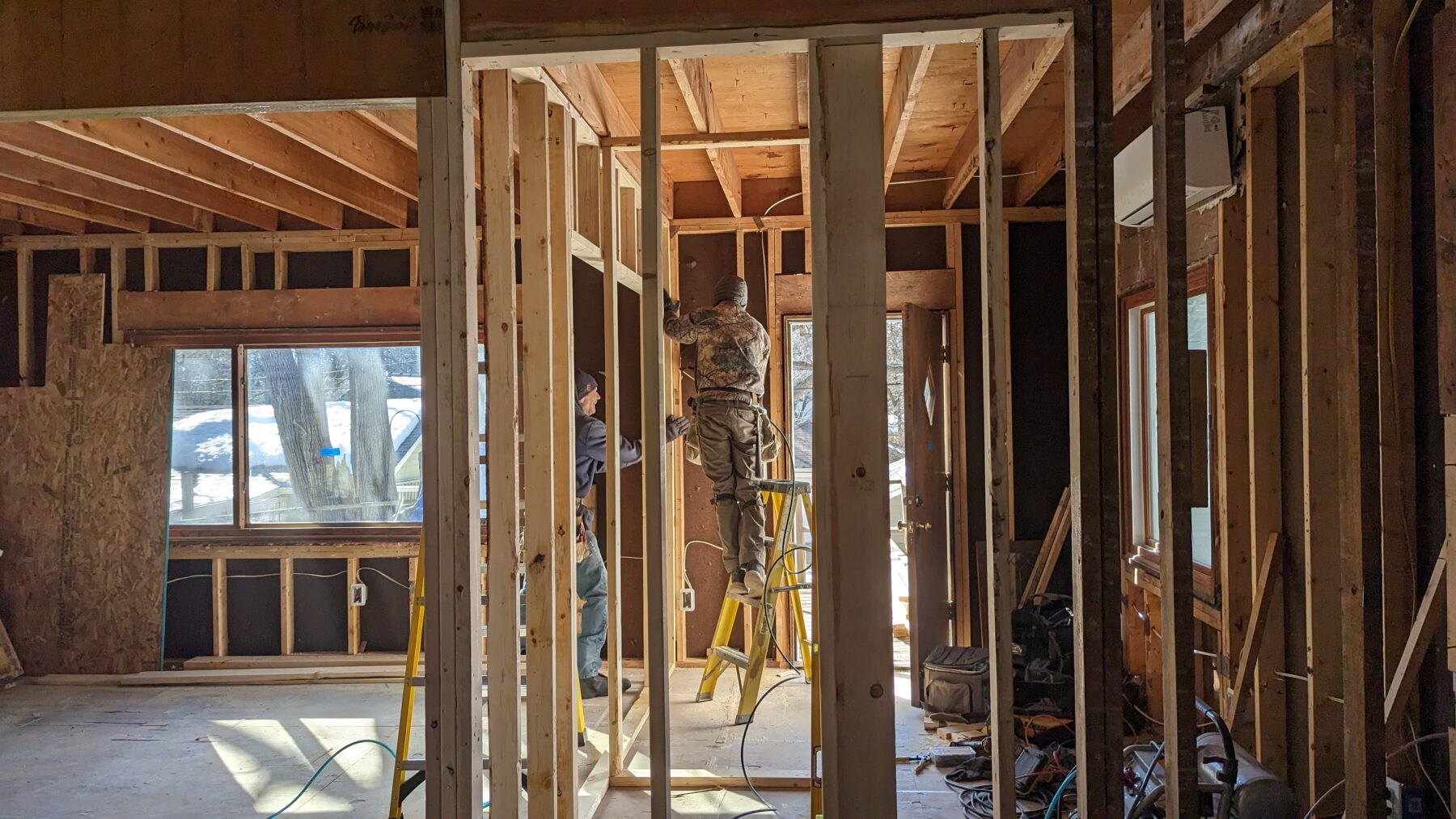

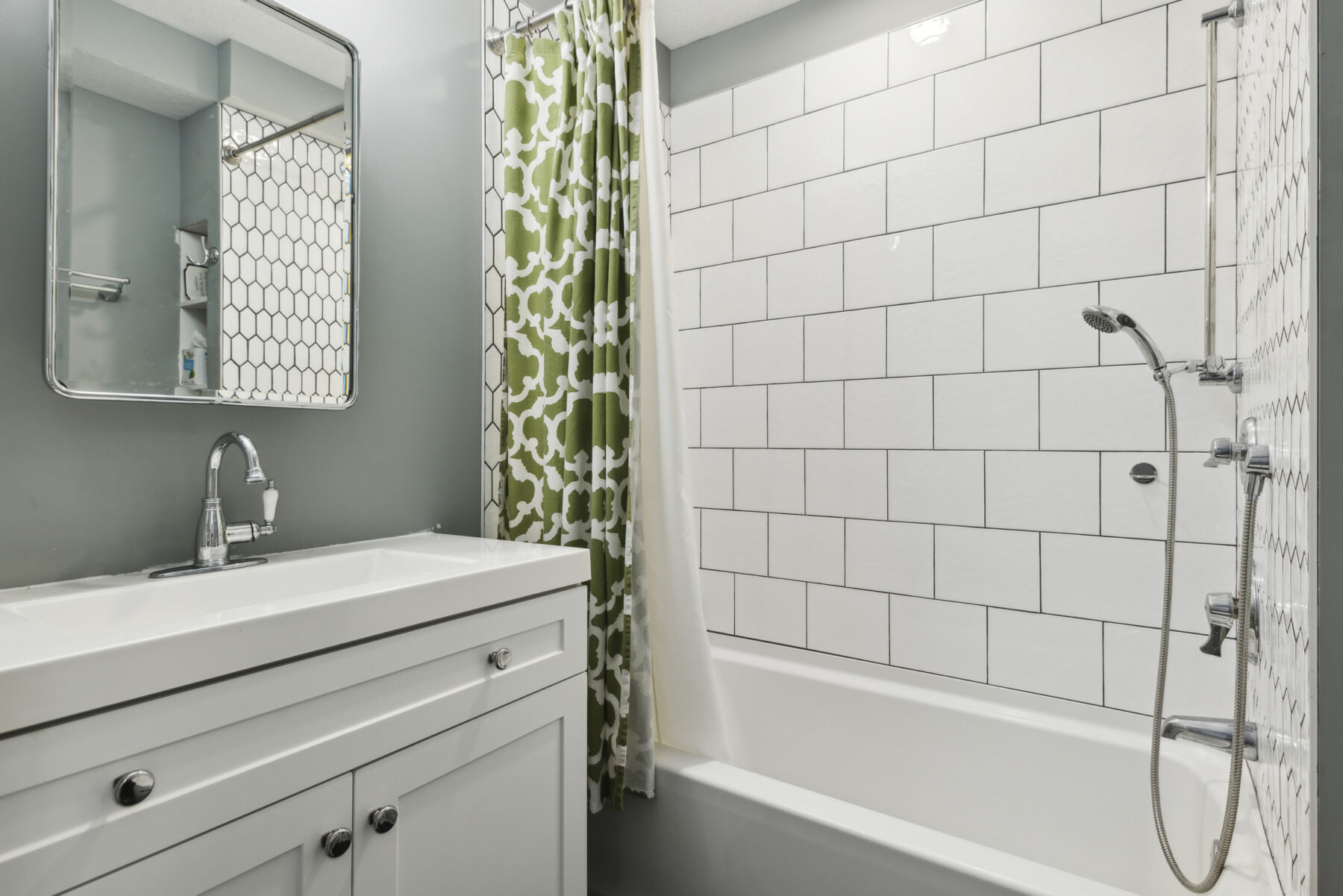
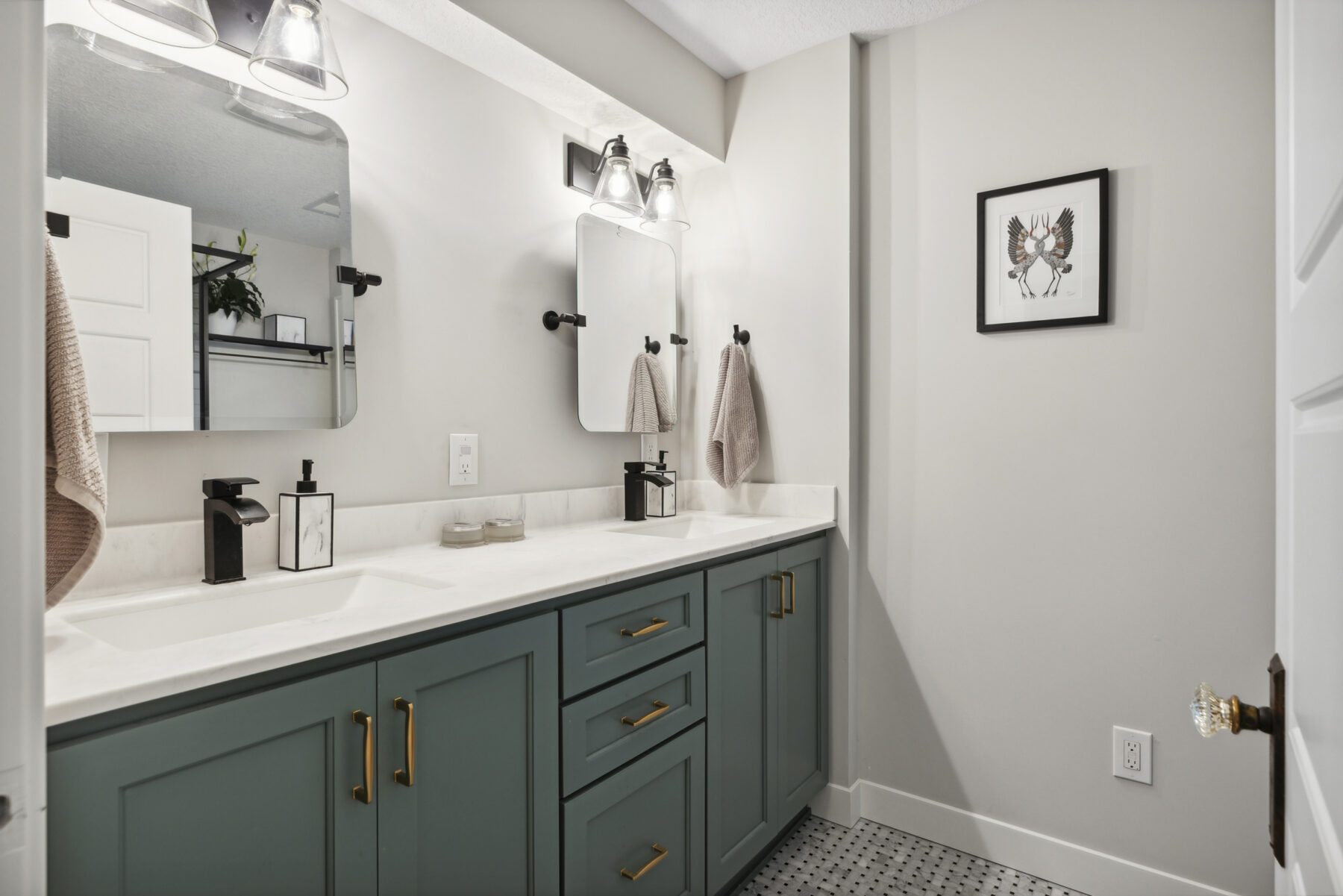
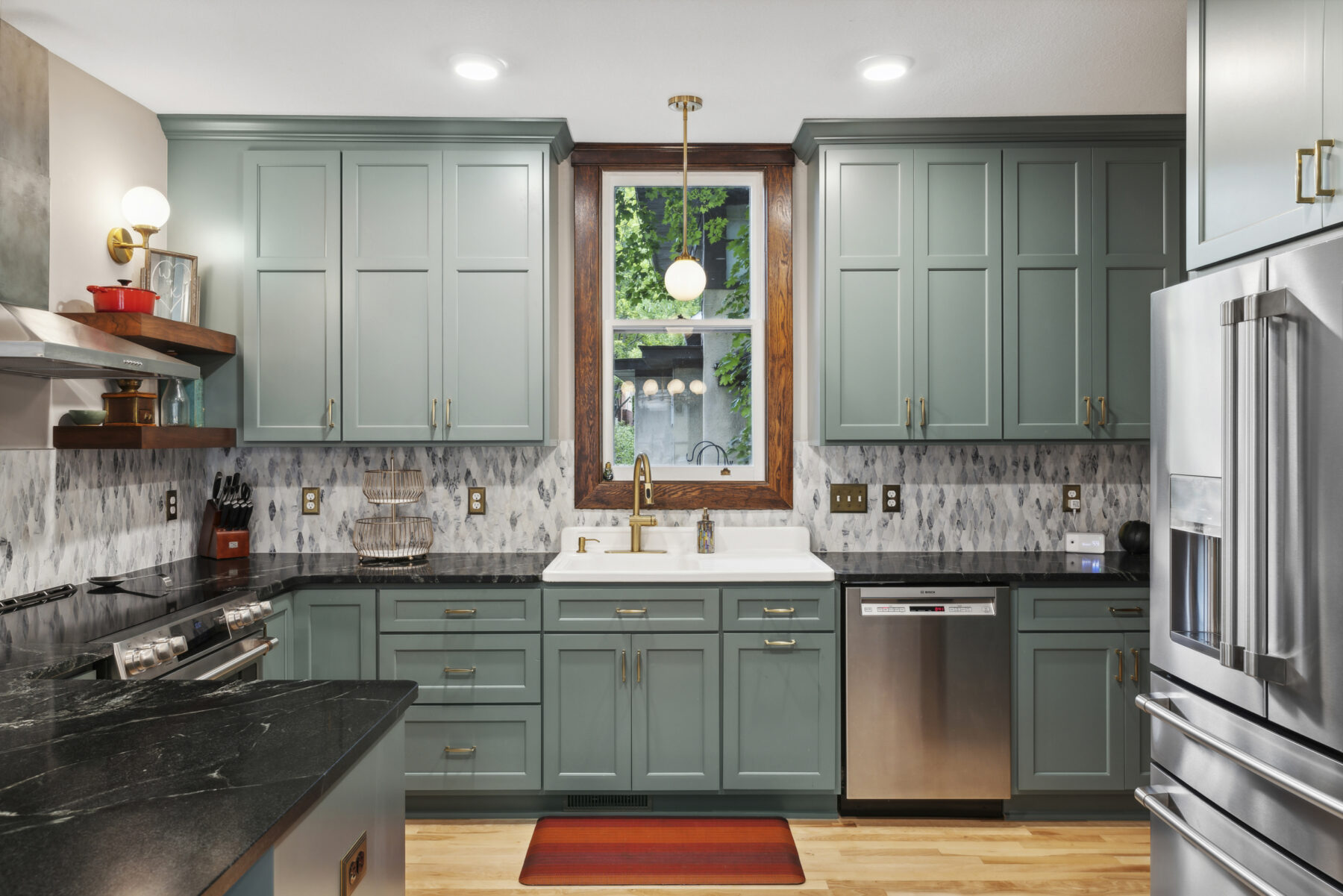
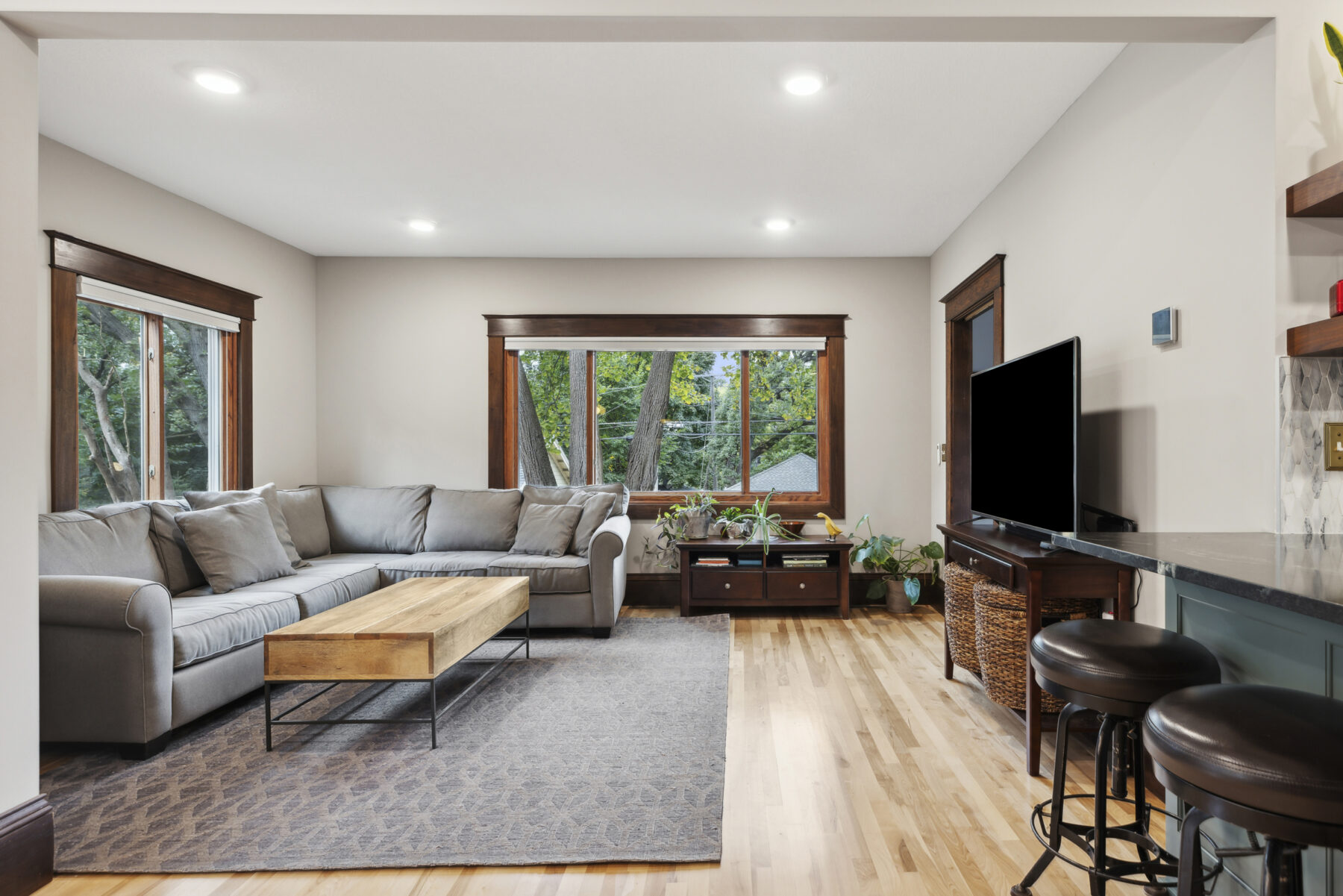
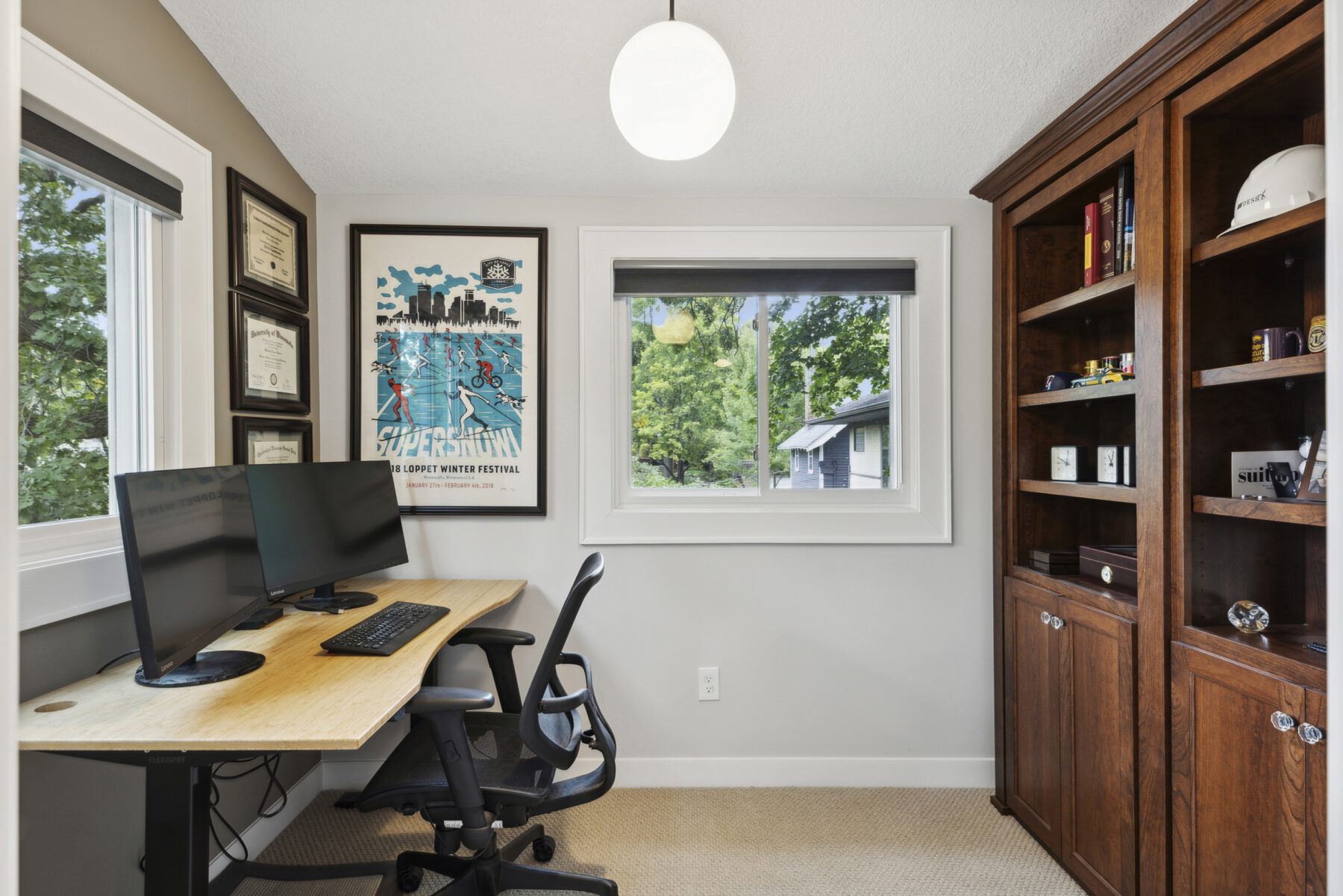
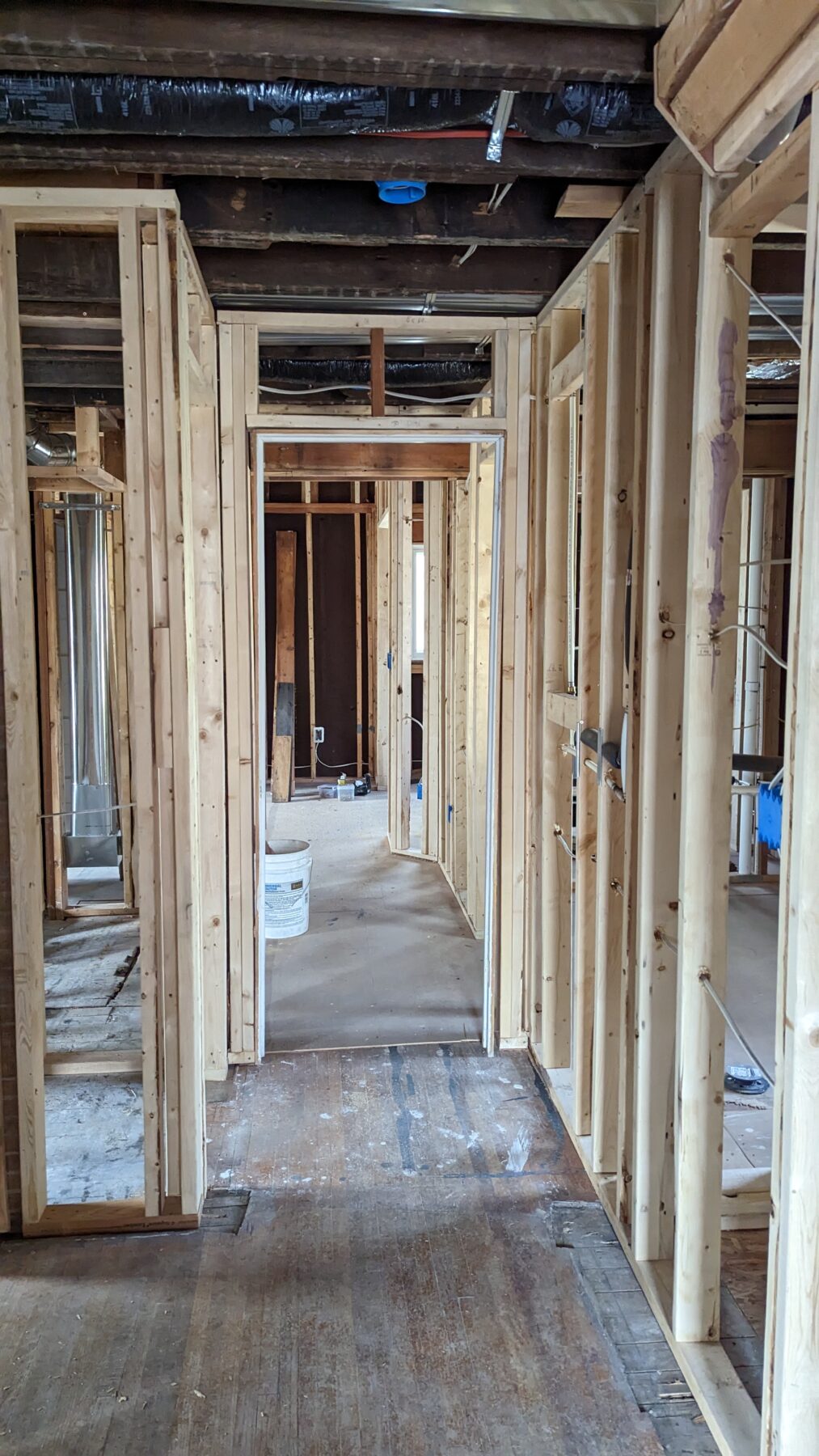
The primary objective was to turn a 1900s St. Paul residence into a high-performance, all-electric home without erasing its historic character. The homeowners wanted a quieter, less drafty house, lower energy bills, and a significantly smaller carbon footprint, all while keeping the original wood windows and trim that give the house its period charm. Paltrin focused on deep envelope improvements and right-sized mechanical systems, including a cold climate heat pump designed to perform efficiently even in subzero Minnesota winters. A key performance goal was reducing measured air leakage, which we took from 11.3 ACH50 to 3.75 ACH50, demonstrating that a thoughtful energy retrofit can make a century-old home perform like modern high-efficiency new construction. By prioritizing home electrification, including removing the gas boiler, gas meter, and even the unused chimney, the house is now ready for rooftop solar or community renewables. Throughout the process, Paltrin maintained clear, honest communication and active problem-solving so that inevitable construction surprises were handled quickly and transparently.
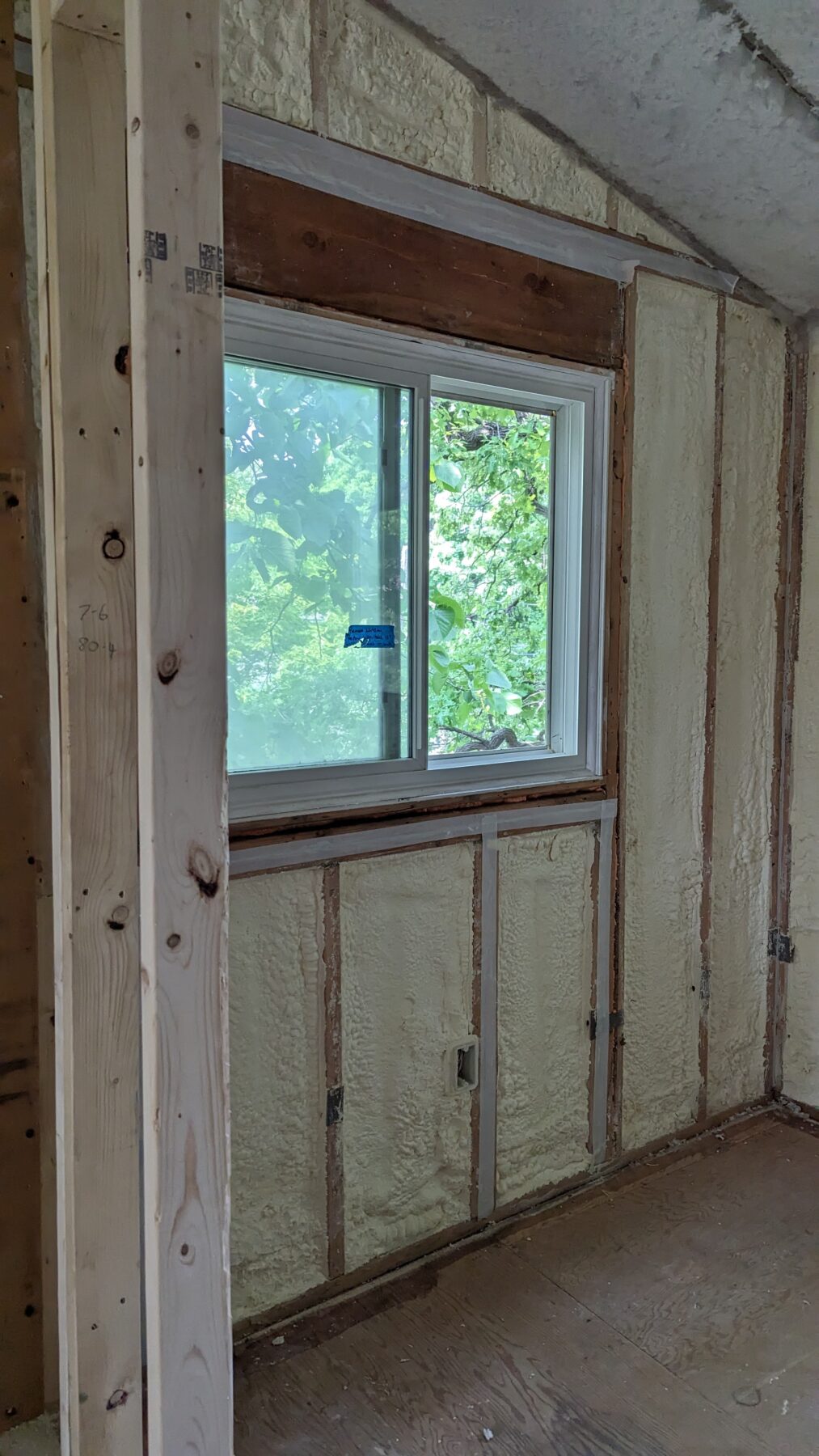
Older St. Paul homes often suffer from “death by a thousand paper cuts” when it comes to air leakage; cracks at rim joists, attic bypasses, and unsealed framing cavities let conditioned air escape and cold air pour in. On this 1900s energy retrofit, Paltrin used blower door guided air sealing to track progress and target the most significant leaks, systematically tightening the building envelope from an initial 11.3 ACH50 down to 3.75 ACH50. By combining strategic sealing with upgraded attic and wall insulation, the team eliminated drafts, stabilized temperatures between floors, and created a much quieter, more comfortable interior. This deep energy retrofit approach means the home now behaves like a true high-performance building, the essential first step before any successful home electrification project.
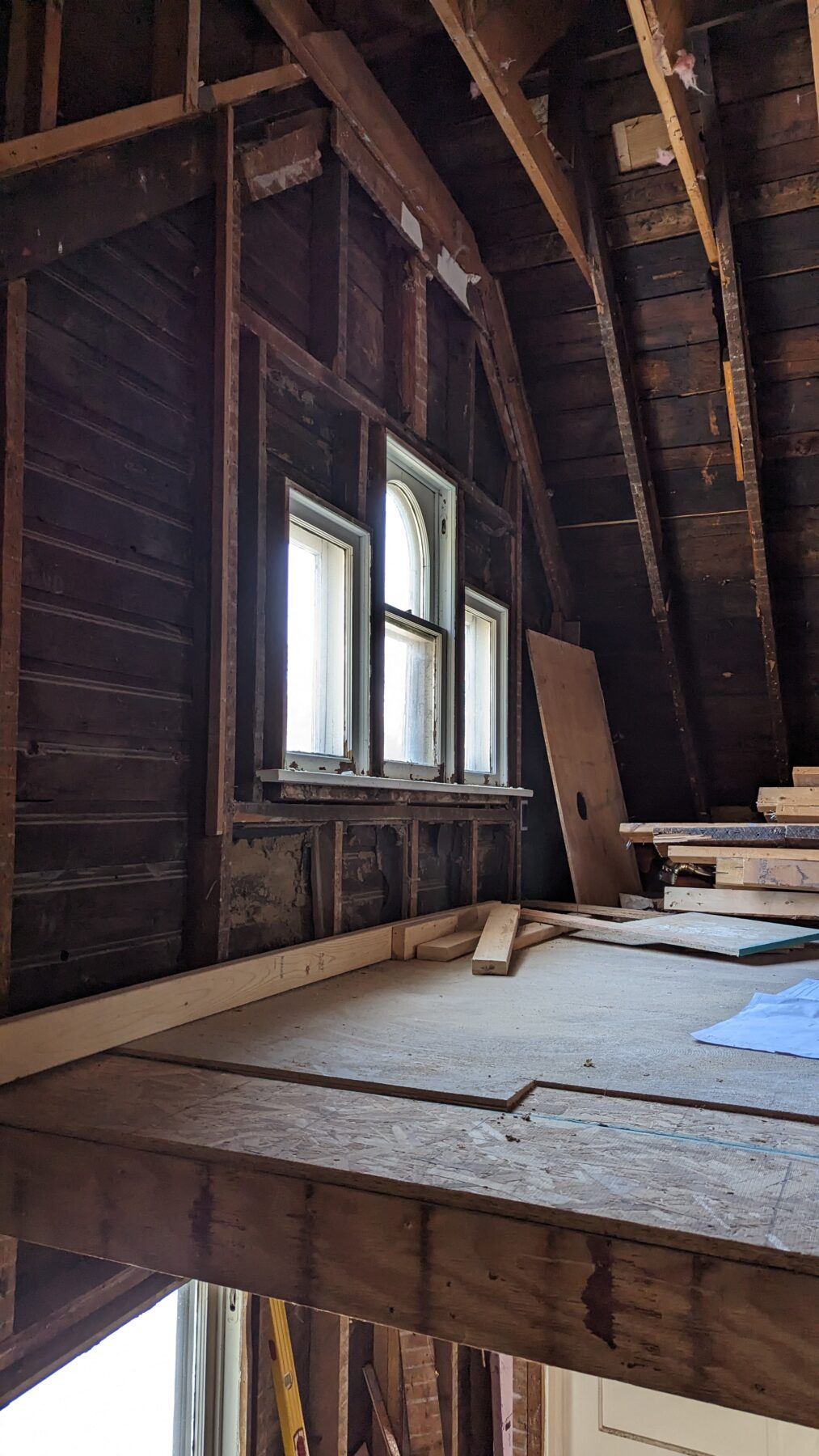
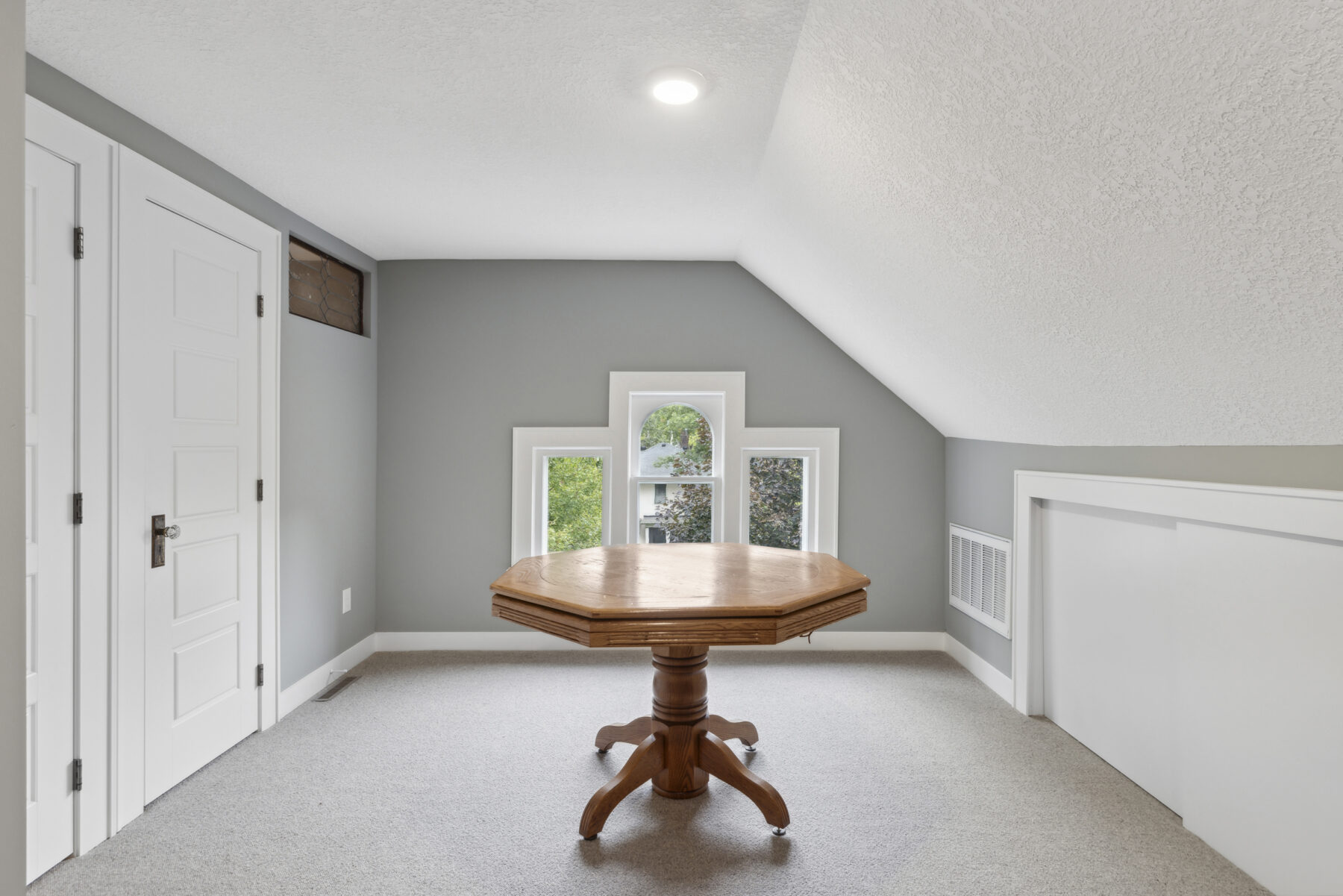
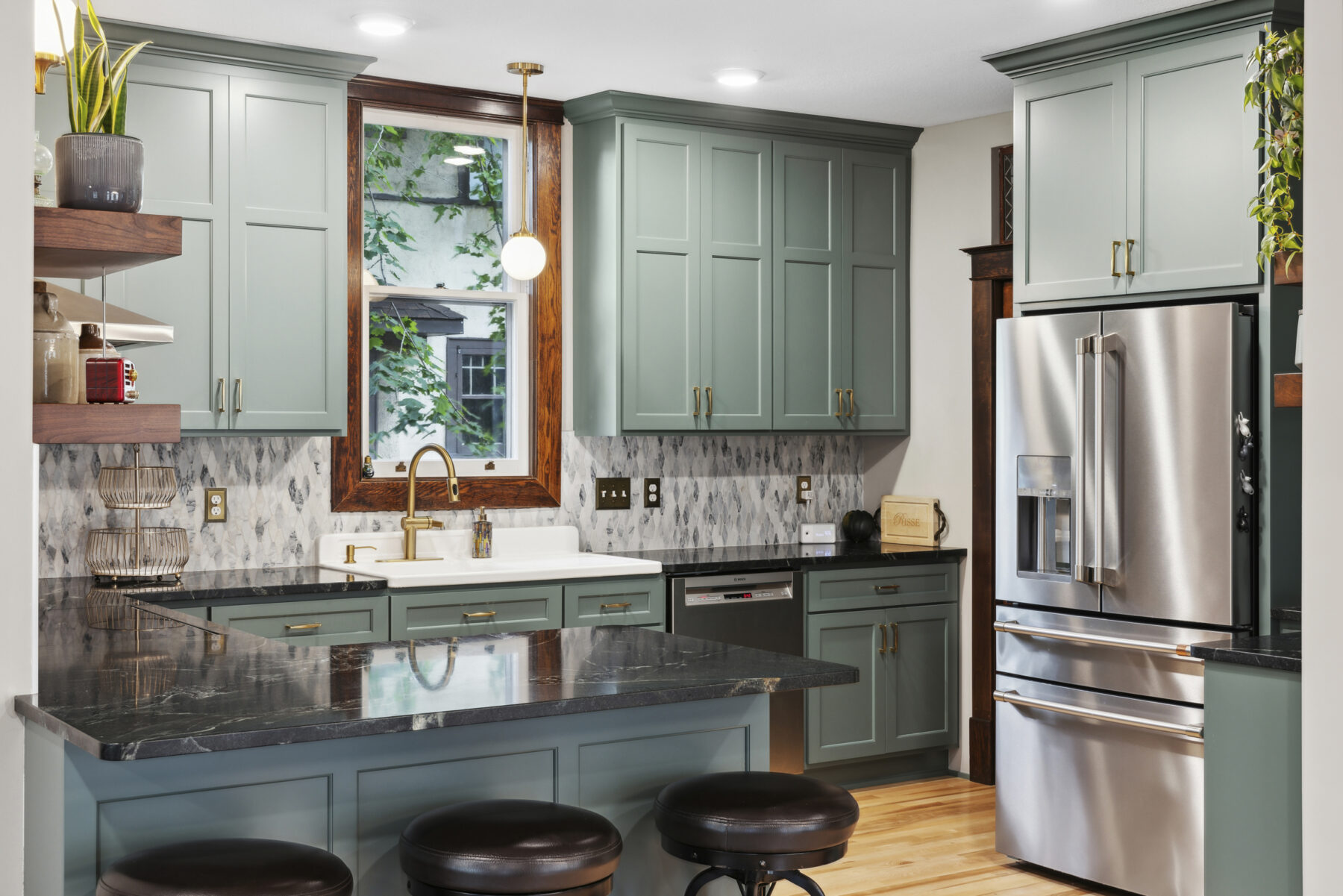
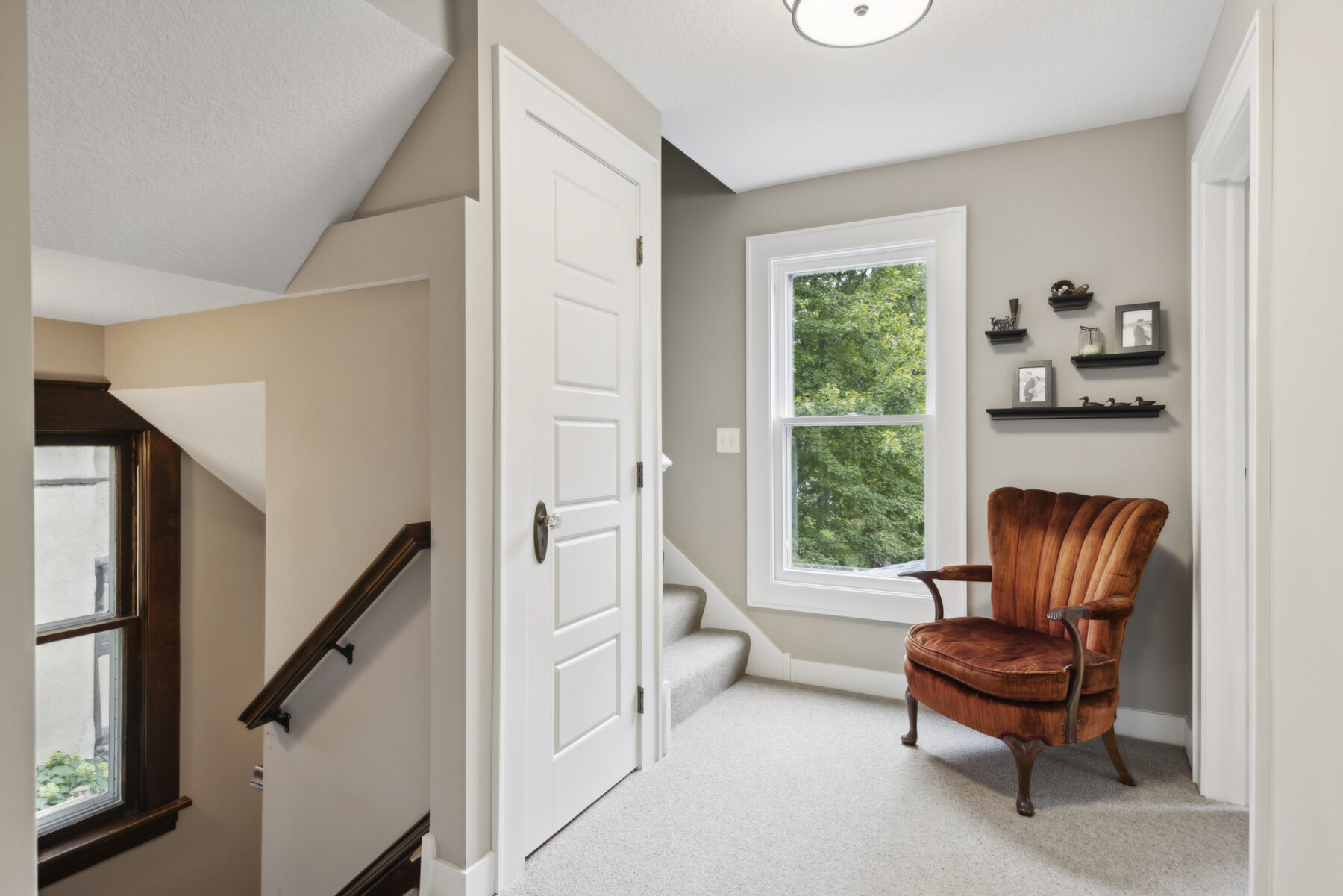
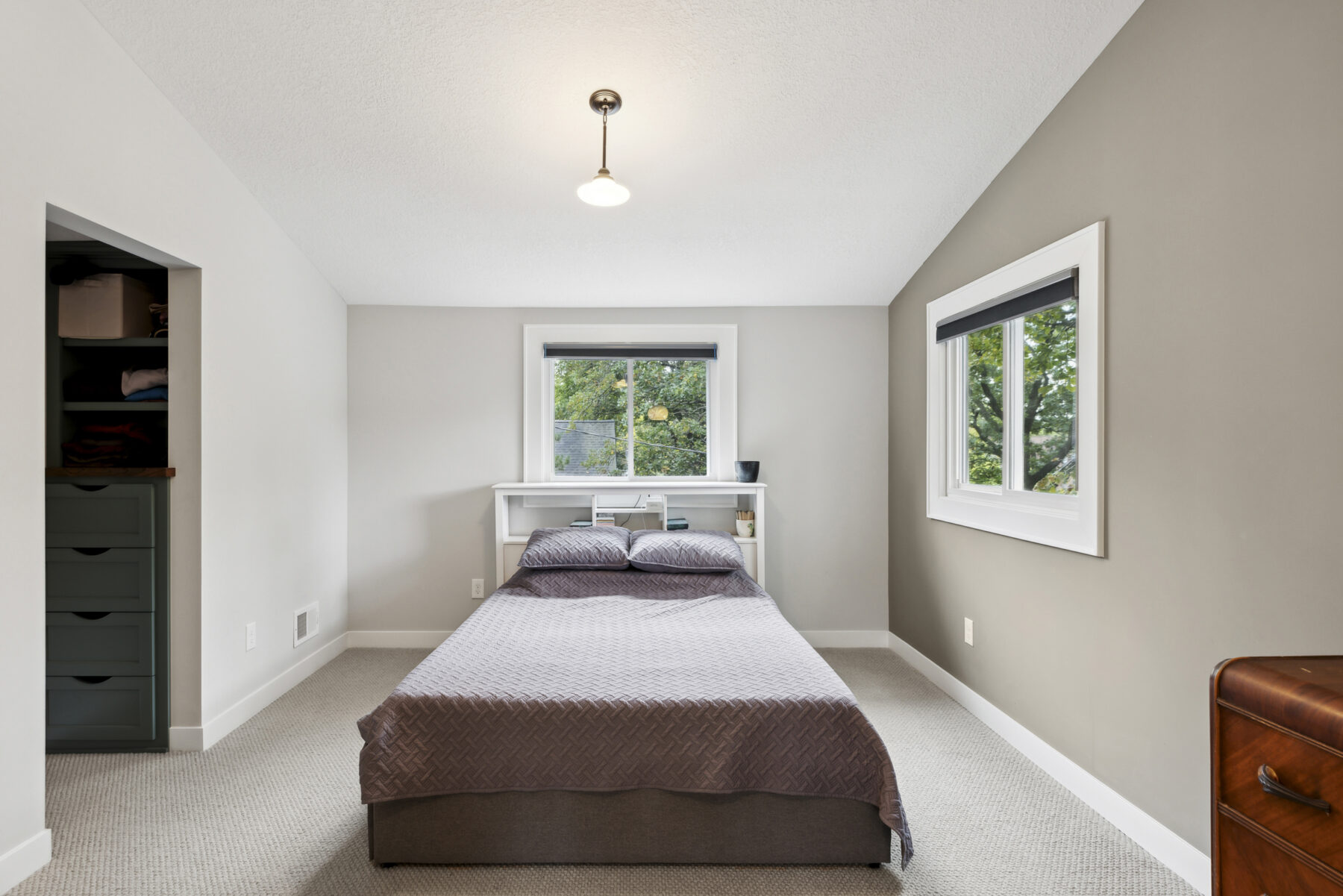
Rather than defaulting to full window replacement, the clients preserved the home’s original windows to maintain its historic street presence and interior character, a hallmark of a sensitive energy retrofit that respects the past. The team focused on repairing existing sashes, adding or improving storm windows, and carefully weatherstripping and air sealing the window surrounds to reduce uncontrolled air flow without altering the look of the home. This approach allowed the project to achieve a nearly threefold reduction in air leakage while keeping the original windows in place. By eliminating drafts at the window openings, the cold climate heat pump and other all electric systems could be right sized for the tighter envelope, further improving efficiency and comfort.
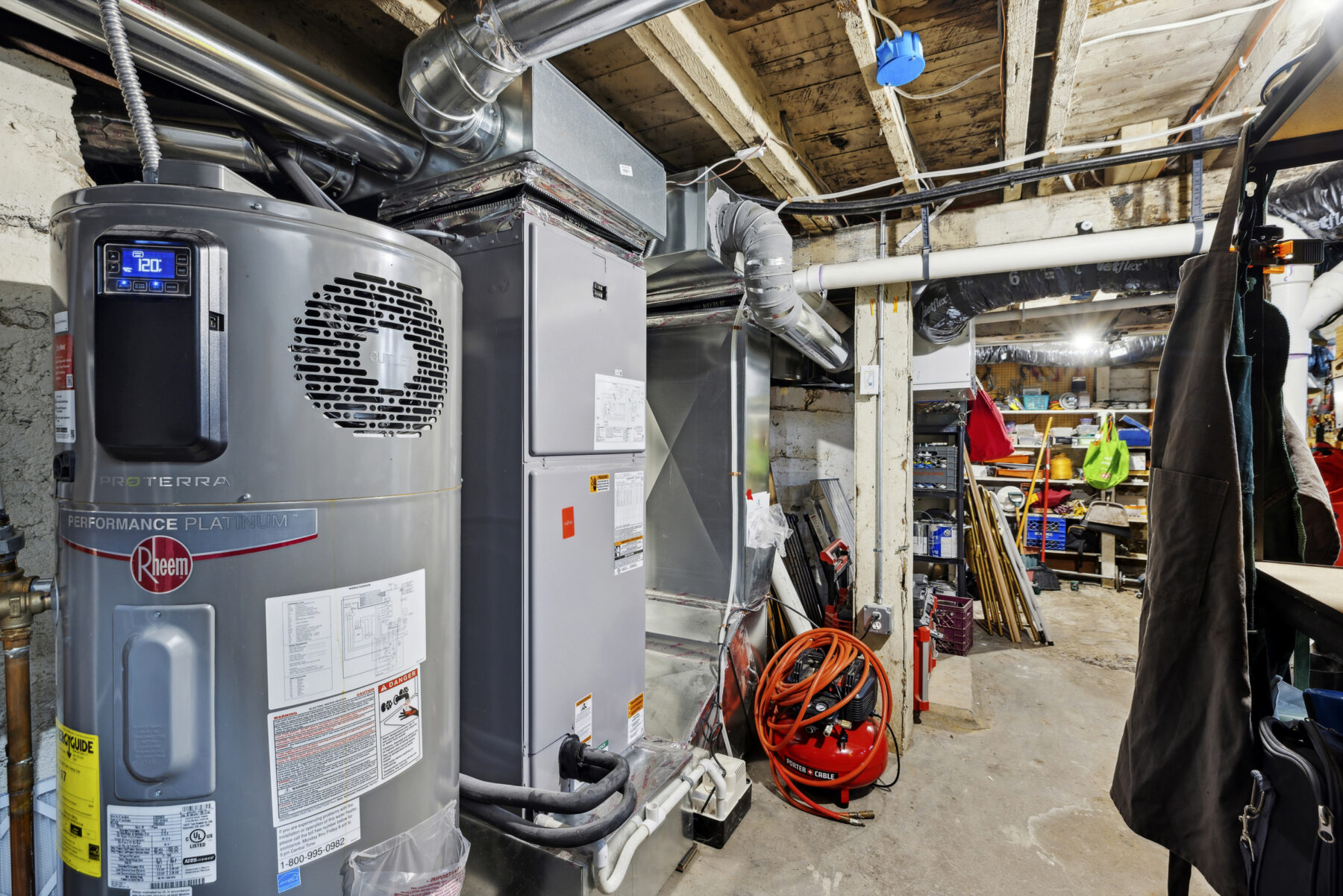
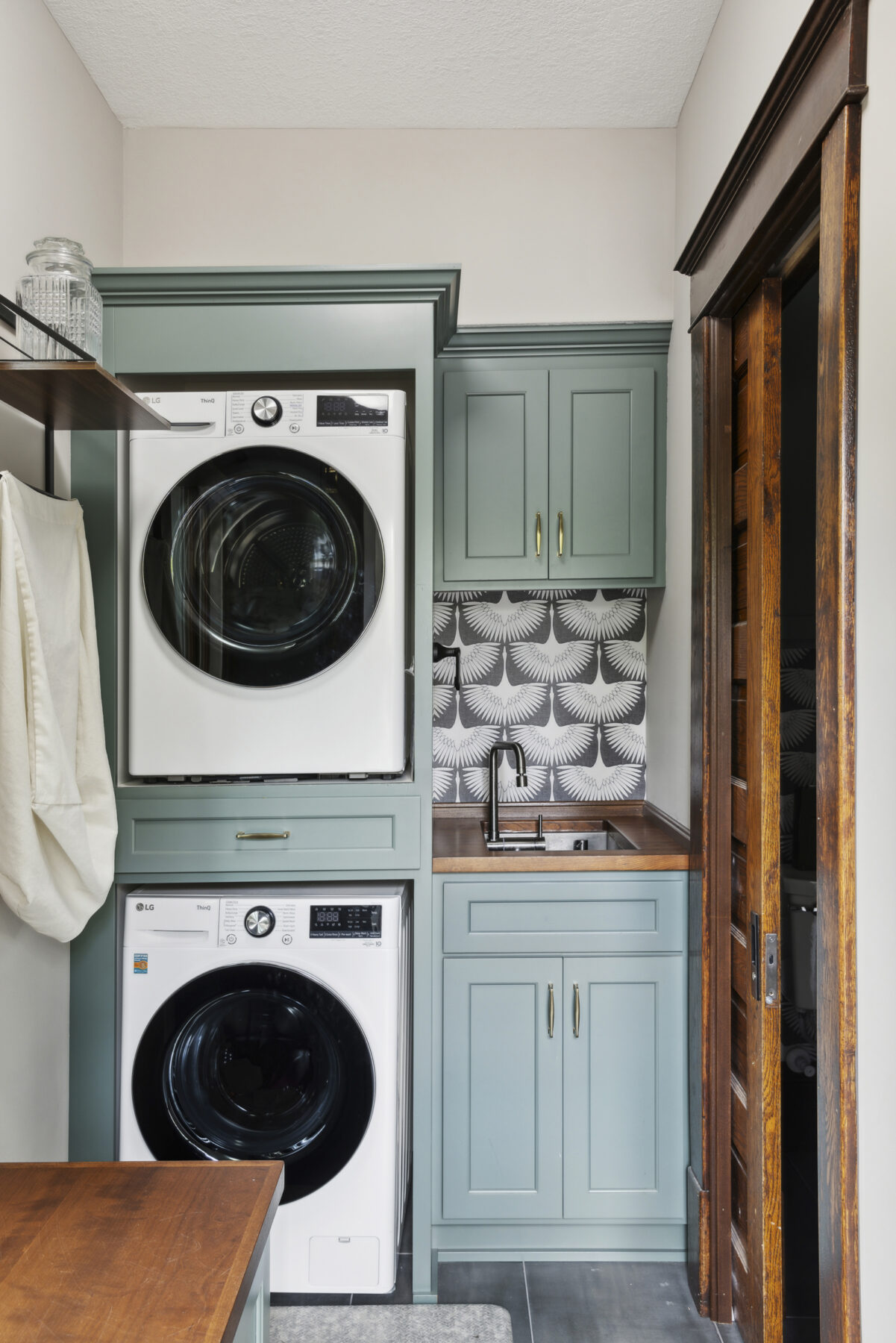
To align with the owners’ long term decarbonization goals, Paltrin designed the retrofit for complete home electrification with future net zero potential. The centerpiece is a modern cold climate heat pump, specifically chosen to deliver efficient heating and cooling even when Minnesota temperatures drop well below freezing. The team removed the old gas boiler, added electric resistance backup for the coldest days, and installed a heat pump water heater, induction stove, and heat pump dryer. With its dramatically reduced air leakage (3.75 ACH50) and improved insulation, this 1900s energy retrofit allows the cold climate heat pump to operate at peak efficiency, keeping the home comfortable on a fraction of the energy. The house is now positioned to take full advantage of future rooftop solar or community renewable programs, turning a once drafty historic house into a beautiful, functional, all electric home for the next century.